Dr Faizi monogramDr FaiziRhinoplasty · ENT Book consultation

ENT Surgeon · Rhinoplasty & FESS

The best nose is the one that doesn’t look done.

Natural, structural rhinoplasty by Dr Faizi, ENT surgeon and Associate Professor. Every nose is shaped to suit the face and to breathe well, from first-time surgery to complex and revision cases.

FCPSENT
FACSUSA
Assoc. Prof.ENT surgery
RSERhinoplasty Society of Europe
Dr Faizi, ENT and rhinoplasty surgeon
Natural · Ultrasonic · RevisionRhinoplasty in Pakistan

Before & after

Drag to see the difference

Real patients of Dr Faizi, shared on his Instagram with consent. Slide the handle across each photo and switch between views.

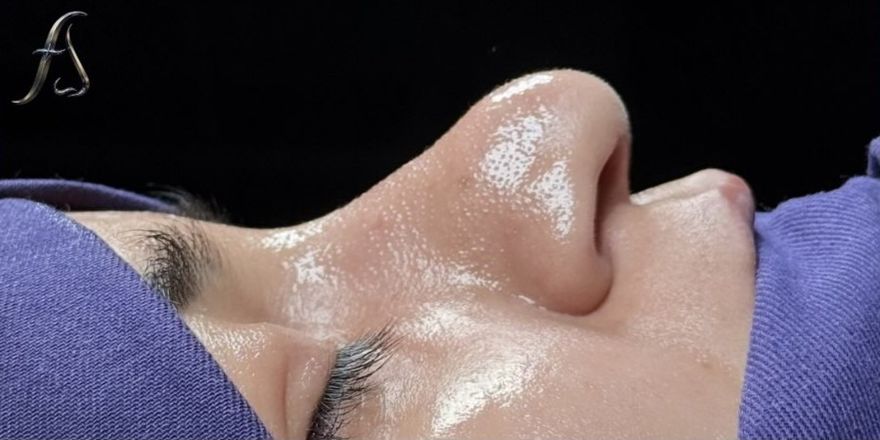
Before rhinoplasty, side profile
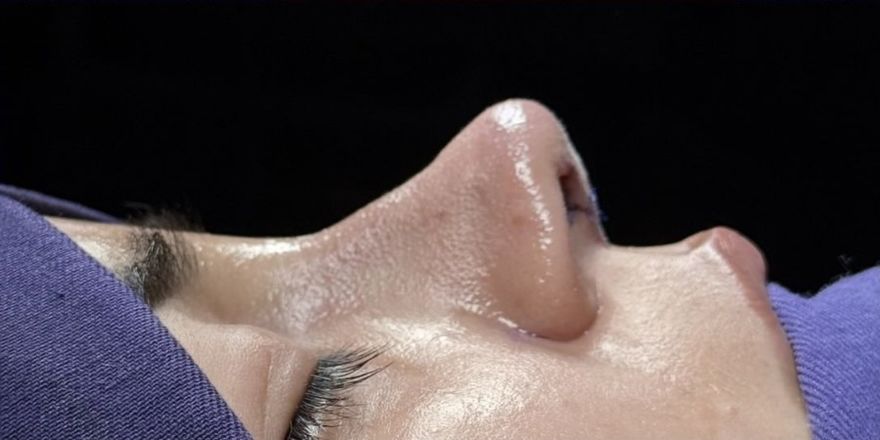
After rhinoplasty, side profile
BeforeAfter
Case one

Dorsal hump to a smooth, natural profile

A prominent hump reduced and the tip refined, keeping the nose in proportion with the forehead and lips rather than making it small.

View this case on Instagram
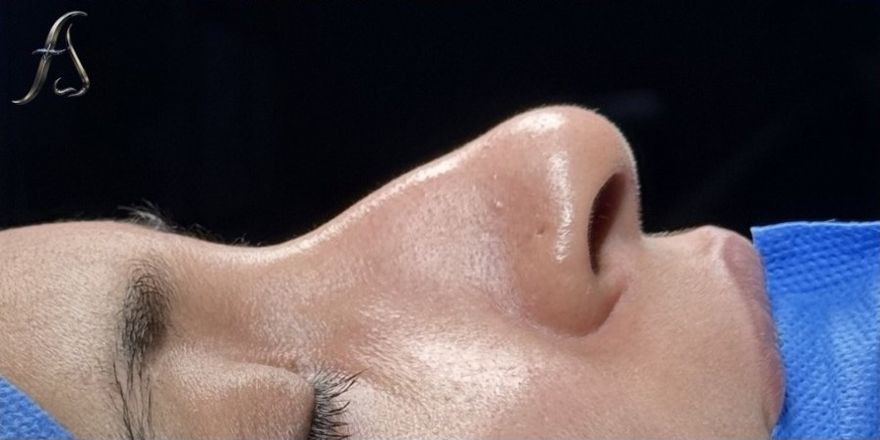
Before rhinoplasty, side profile
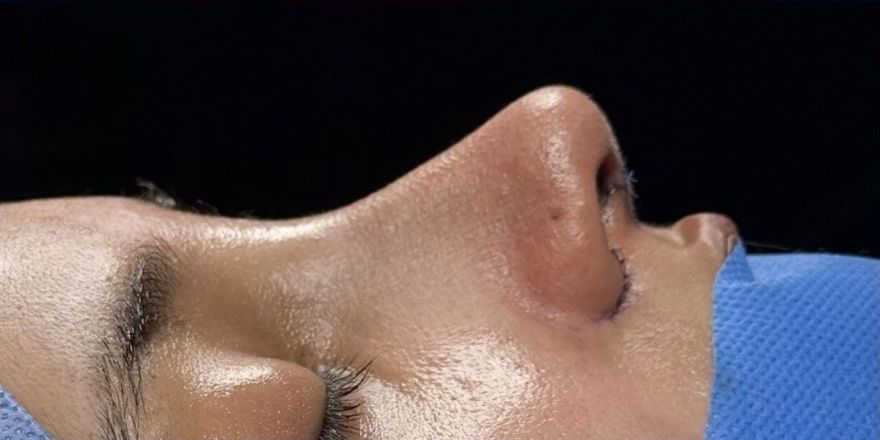
After rhinoplasty, side profile
BeforeAfter
Case two

A refined nose designed to complement the face

Bridge straightened and tip definition improved from every angle, including the base view, where nostril shape and symmetry matter most.

View this case on Instagram

Photographs are taken on the operating table immediately before and after surgery. Swelling settles over the following months, and results vary between individuals.

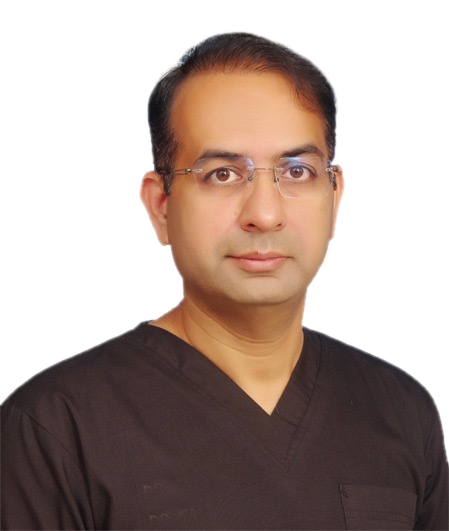
Portrait of Dr Faizi

Your surgeon

Dr Faizi

Dr Faizi is a consultant ENT surgeon and Associate Professor with a dedicated rhinoplasty practice in Pakistan. His work covers primary cosmetic rhinoplasty, ultrasonic (piezo) rhinoplasty, revision and complex reconstruction, cleft nose correction and endoscopic sinus surgery.

Because he is an ENT surgeon first, the airway is assessed and treated alongside the shape. A nose should look right and breathe well.

“Not perfection. Harmony.”

Specialty
Otorhinolaryngology (ENT), Head & Neck Surgery
Qualifications
FCPS (ENT) · FACS, American College of Surgeons
Academic
Associate Professor of ENT
Membership
Rhinoplasty Society of Europe
Focus
Natural, ultrasonic, revision & complex rhinoplasty · FESS

Personalised nose reshaping

Designed around your face, measured in degrees

Every consultation starts with standard photographs and facial analysis. The plan comes from your own proportions, never from a template.

NASOFRONTAL115–130° TIPprojection NASOLABIAL95–110°
115–130°

Nasofrontal angle

Where the bridge meets the forehead. It sets where the nose appears to begin and how strong the profile looks.

95–110°

Nasolabial angle

Tip rotation relative to the upper lip. Too little looks droopy; too much gives an over-operated, upturned tip.

2–4 mm

Columella show

How much of the column between the nostrils shows from the side, a small detail that decides whether a tip looks natural.

Ranges are general guides. Ideal values vary with sex, ethnicity and each patient’s features.

Types of rhinoplasty

Procedures Dr Faizi performs

Primary

Natural rhinoplasty

Subtle, balanced refinement of the bridge, tip and nostrils, for a nose that looks like it was always yours.

Technique

Ultrasonic rhinoplasty

Piezo instruments sculpt the nasal bones precisely while protecting soft tissue, typically with less bruising and swelling.

Profile

Dorsal hump reduction

A strong hump reshaped into a smooth, refined profile, preserving the natural lines of the bridge.

Secondary

Revision rhinoplasty

Correcting shape or breathing problems after previous surgery, rebuilding support with cartilage grafts where needed.

Reconstruction

Saddle nose & complex cases

Rebuilding a collapsed or deformed nasal framework after trauma or earlier surgery, for a stable, natural result.

Reconstruction

Cleft rhinoplasty

Restoring structure and symmetry to the cleft nose. It is about understanding complex anatomy, not only changing shape.

Functional

Septorhinoplasty

Straightening a deviated septum and opening the airway while refining the outside of the nose in one operation.

Functional

FESS

Endoscopic sinus surgery for chronic sinusitis and nasal polyps, performed through the nostrils with no external scars.

Tip

Tip refinement

Reshaping a bulbous, drooping or wide tip through cartilage sculpting and suturing for definition and support.
Which approach is right for you?

Open or closed, decided by your anatomy

The technique follows the problem being solved. Dr Faizi explains the plan, and why it suits your nose, at consultation.

Closed rhinoplasty

  • All incisions hidden inside the nostrils
  • Well suited to hump reduction and moderate refinement
  • Often a quicker early recovery with less tip swelling

Open rhinoplasty

  • A small incision across the columella that heals to a fine line
  • Full view of the tip cartilages for precise structural work
  • Preferred for revision, cleft and complex reconstruction

How the procedure is performed

Your rhinoplasty journey

From first message to final result. Healing continues quietly for up to a year, so patience is part of the plan.

  1. Consult

    Consultation & facial analysis

    Your goals, an examination of the inside and outside of the nose, a breathing assessment and profile photographs.

  2. Day 0

    Surgery under general anaesthesia

    Usually 2–4 hours depending on complexity. Most patients go home the same day or the next morning.

  3. Day 7

    Splint removal

    The external splint comes off and most visible bruising has settled. Many people return to desk work within 1–2 weeks.

  4. Week 6

    Back to normal activity

    Exercise, swimming and glasses are gradually reintroduced, guided by follow-up visits.

  5. 1 year

    Final result

    Residual swelling, especially at the tip, resolves over the first year and the final shape is revealed.

On Instagram · @drfaizi.rhinoplasty

More results, reviews and long-term follow-ups

Follow on Instagram

Book your appointment

Start with a conversation

Your message opens in WhatsApp, ready to send.

Questions

Frequently asked questions

How long is recovery after rhinoplasty?

The splint is removed at about one week, and most people are back at work or university within 1–2 weeks. Bruising fades over 10–14 days. Swelling settles gradually, and the final result is usually seen at around 12 months.

What is ultrasonic (piezo) rhinoplasty?

Instead of chisels, ultrasonic instruments cut and sculpt bone with high precision while sparing the surrounding soft tissue. This gives fine control over the nasal bones and is often associated with less bruising and swelling.

Will my nose look natural?

That is the central aim. The goal is harmony with your face rather than a copied or “operated” look, keeping your character while correcting what bothers you.

Can my breathing be fixed at the same time?

Yes. As an ENT surgeon, Dr Faizi routinely corrects a deviated septum, enlarged turbinates or valve collapse in the same operation (septorhinoplasty).

I had rhinoplasty before and I’m unhappy. Can it be revised?

Often, yes. Revision is usually planned at least 12 months after the previous operation, once the tissues have settled. It may need cartilage grafts from the septum, ear or rib to rebuild support.

What is the minimum age for rhinoplasty?

Cosmetic rhinoplasty is generally performed once nasal growth is complete, typically from around 16 in girls and 17–18 in boys. Functional or cleft surgery may be timed differently.

How do I book a consultation?

Tap “Book consultation” anywhere on this page to message the team on WhatsApp, or fill in the form above. Overseas patients can send photographs for an initial assessment.

Crafted noses.
Confident lives.

Book consultation